

The check engine light came on in my 2012 F-150 on a Tuesday afternoon, about three miles from home. I was hauling a load of scrap lumber to the dump and the last thing I wanted was to pay a shop a diagnostic fee just to tell me what the light meant. I have done my own brakes, oil changes and small repairs in this driveway for close to 30 years, but I never owned a code reader. That week I ordered the ANCEL AD310, and this is what months of real driveway use taught me.
I will say this up front: the ANCEL AD310 is not a fancy bidirectional scan tool and it does not pretend to be one. It reads and clears engine fault codes on any 1996 or newer OBD2 vehicle, and it does that one job without fuss. For a weekend mechanic who just wants to know why the light is on before he starts throwing parts at a problem, that is most of the battle.
The Quick Verdict
The ANCEL AD310 is the first code reader I reach for. It reads and clears engine codes in under a minute, the buttons are simple enough for a man with greasy fingers, and it has survived a full Georgia summer in my toolbox. It will not do transmission or ABS work, so know that going in.
Amazon Check Today's Price →Stop Guessing What That Check Engine Light Means
The ANCEL AD310 pays for itself the first time it keeps you from paying a shop to read a code. Plug it in, get the code, clear it, and decide whether the fix is a cheap sensor or a trip to a real mechanic.
Amazon Check Today's Price on Amazon →How I've Used It
My truck has about 187,000 miles on it, so the check engine light is not a stranger. The ANCEL AD310 showed up on a Thursday in late May, and by that evening I had already used it twice: once on my truck and once on my neighbor's sedan when she stopped by to ask if I had one of those code readers. Since then I have used it on my F-150 more times than I can count, plus on my brother-in-law's SUV when the traction control light came on and he was convinced the shop would soak him.
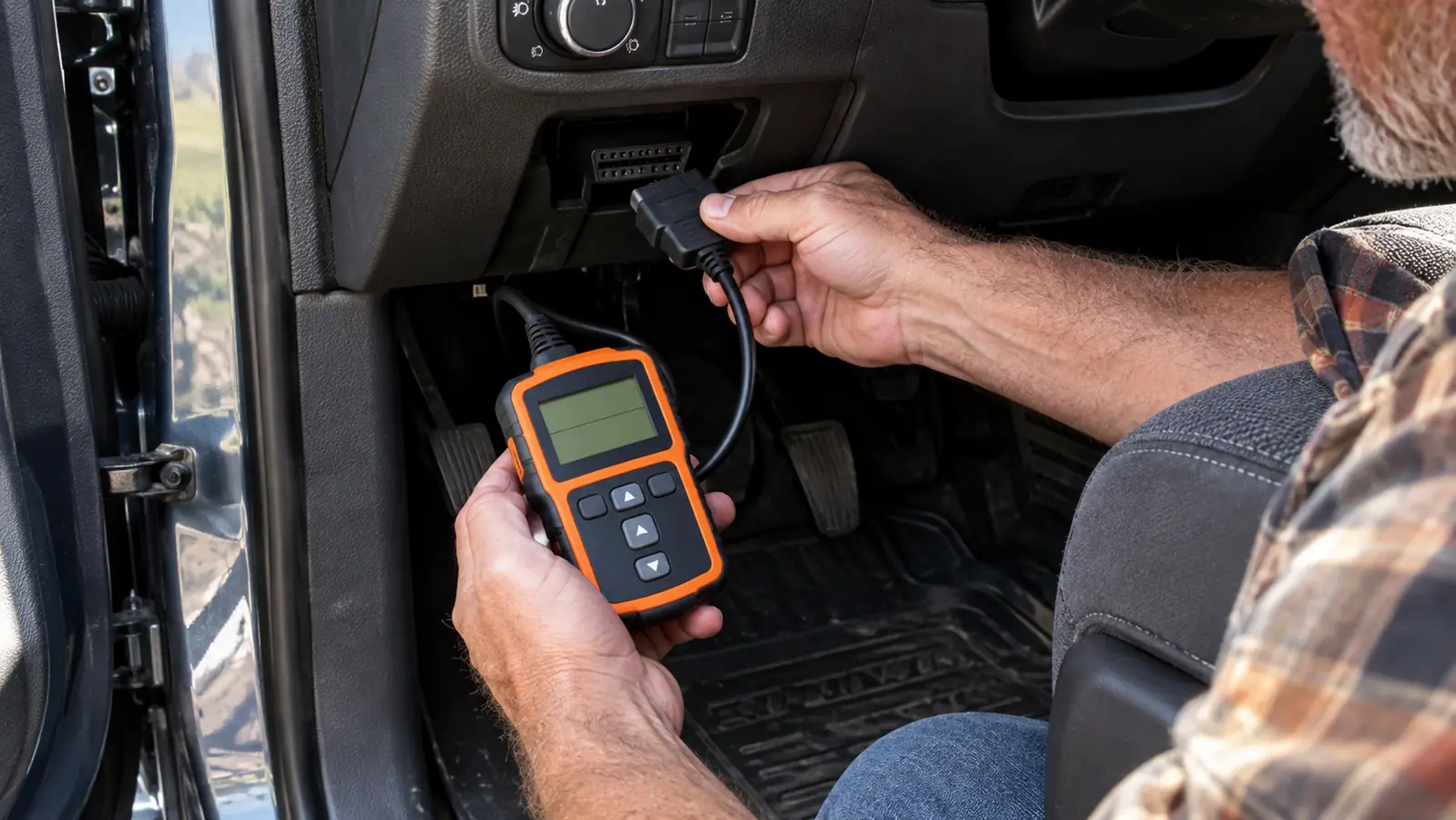
The routine is always the same. I plug the scanner into the port under the dash, turn the key to the on position without starting the engine, and wait. Within a few seconds the screen lights up and shows the code. The first time I used it, I fumbled with the cable for a minute because I was not sure which way the connector faced. Once it seated, the screen lit up fast enough that I did not have time to get impatient. That matters when you are leaning under a dash with a bad back. The first code it ever gave me was a P0420, which is catalyst efficiency below threshold. I cleared it that night, and it came back eleven days later. When it came back a third time, within about 200 miles, I knew I was dealing with a real problem, not a loose gas cap. My first guess was the downstream oxygen sensor, because that is the cheaper fix and it fails often enough. I replaced it in July, cleared the code, and the light came back within two weeks. That told me the converter itself was getting weak, not the sensor. I priced a replacement converter, decided the truck was still running fine, and chose to leave it alone for now. That is the honest value of a code reader. It does not fix the truck, but it tells you what you are dealing with so you can make the call yourself.
I have also used it the way most people will, which is to clear a code after a repair and confirm the light stays off. The neighbor's sedan threw a P0455, which is a large EVAP leak, and on a lot of cars that just means the gas cap did not seal. I checked the cap, found a cracked gasket, replaced it, and used the ANCEL AD310 to clear the code. That was in June. The light has not come back in two months, and she has not paid a single diagnostic fee since. That one repair paid for the scanner all by itself.
What the ANCEL AD310 Actually Does
The ANCEL AD310 is an OBD2 code reader, which means it talks to the engine computer through the standard diagnostic port that every car built since 1996 has. It reads generic powertrain codes, which covers the check engine light on just about anything you will find in a driveway. It also clears those codes, which is the feature most people actually want. I have plugged it into vehicles from the 1990s up through current models, and it never once asked me what year, make, or model it was looking at. There is no menu to scroll through and no setup to speak of. The connector seats with a solid click, and the cable is stiff enough to hold the scanner where you set it without flopping around. It just works.
The screen is small but readable, and the five buttons are laid out in a simple cross pattern. Up and down scroll through the menu, left and right move the cursor, and the middle button selects. ANCEL skipped the touchscreen, the app, the Bluetooth, and the firmware updates, and I think that was the right call. You do not pair it with your phone and you do not download anything. That sounds like a limitation until you have watched a neighbor fight with a phone app for ten minutes just to get a code. The ANCEL AD310 is the opposite of that. It works the same way every time, and it works the same way on every car.
One thing I appreciate is that it shows the code and a short description on the same screen. You do not need to write down a five-character code and then go look it up. The description is plain English, not a cryptic abbreviation. For a P0301, it will tell you cylinder 1 misfire, which is exactly what you need to know before you start checking plugs and coils. The most useful reading it has given me was a P0171, system too lean, on the neighbor's sedan back in April. I knew from years of turning wrenches that a P0171 on a four-cylinder engine often means a vacuum leak, not a bad sensor. I sprayed carb cleaner around the intake hoses while the engine idled, found the spot where the idle smoothed out, and fixed a cracked vacuum line for the cost of a two-foot piece of hose. Without the scanner, I would have started by replacing the mass airflow sensor and hoped for the best.
How It Held Up Over Months of Use
I keep the ANCEL AD310 in the top drawer of my rolling tool chest, which means it has been banged around, covered in dust, and left in a hot truck cab more than once. The hottest day was in mid-July, when the thermometer on my garage wall read 96 degrees and the truck had sat in the sun all afternoon. The scanner had been in the cab since that morning. It powered right up and read the code with no flicker. The top drawer also collects metal dust from the grinder I use on stubborn bolts, and that dust gets into everything. I have blown the scanner off with the air hose more than once, and it has never minded. North Georgia summers will test any piece of plastic, and this scanner has not warped, cracked, or stopped reading a single code. The buttons still click the way they did on day one. ANCEL built this thing to live in a toolbox, not a display case, and that is exactly what it has done.
It has also taken one hard fall. I set it on the fender while I reached for a wrench, it slid off onto the concrete, and it landed face down. I picked it up expecting a cracked screen. The screen was fine, the buttons still clicked, and it read a code that same afternoon. I cannot promise yours will survive the same drop, but mine did. The drop also gave me a chance to look at the build quality up close. The case is a two-piece shell with a clean seam, and the buttons sit behind a rubber membrane that does not trap dirt. It is not a tool you would want to run over with a truck, but it is built like a tool, not a toy. The cable is about a foot long, which is enough to reach the port on my truck without having to contort yourself under the dash. On some cars the port is tucked up higher, and there the short cable can be a little awkward. I have learned to plug it in before I get comfortable, then let it hang while I read the screen. It is a minor thing, but worth knowing.
Battery draw is another thing I paid attention to. A code reader that drains your battery while it sits plugged in is worse than useless. I left the ANCEL AD310 connected for a solid ten minutes one afternoon while I traced a wiring harness behind the battery, with the key on and the fuel pump cycling, and the truck cranked normally when I was done. I still unplug it when I am done, because that is just good habit, but I do not worry about it the way I would with some cheap readers.
That one gas cap repair paid for the scanner all by itself, and the light has stayed off for two months.
Where the ANCEL AD310 Falls Short
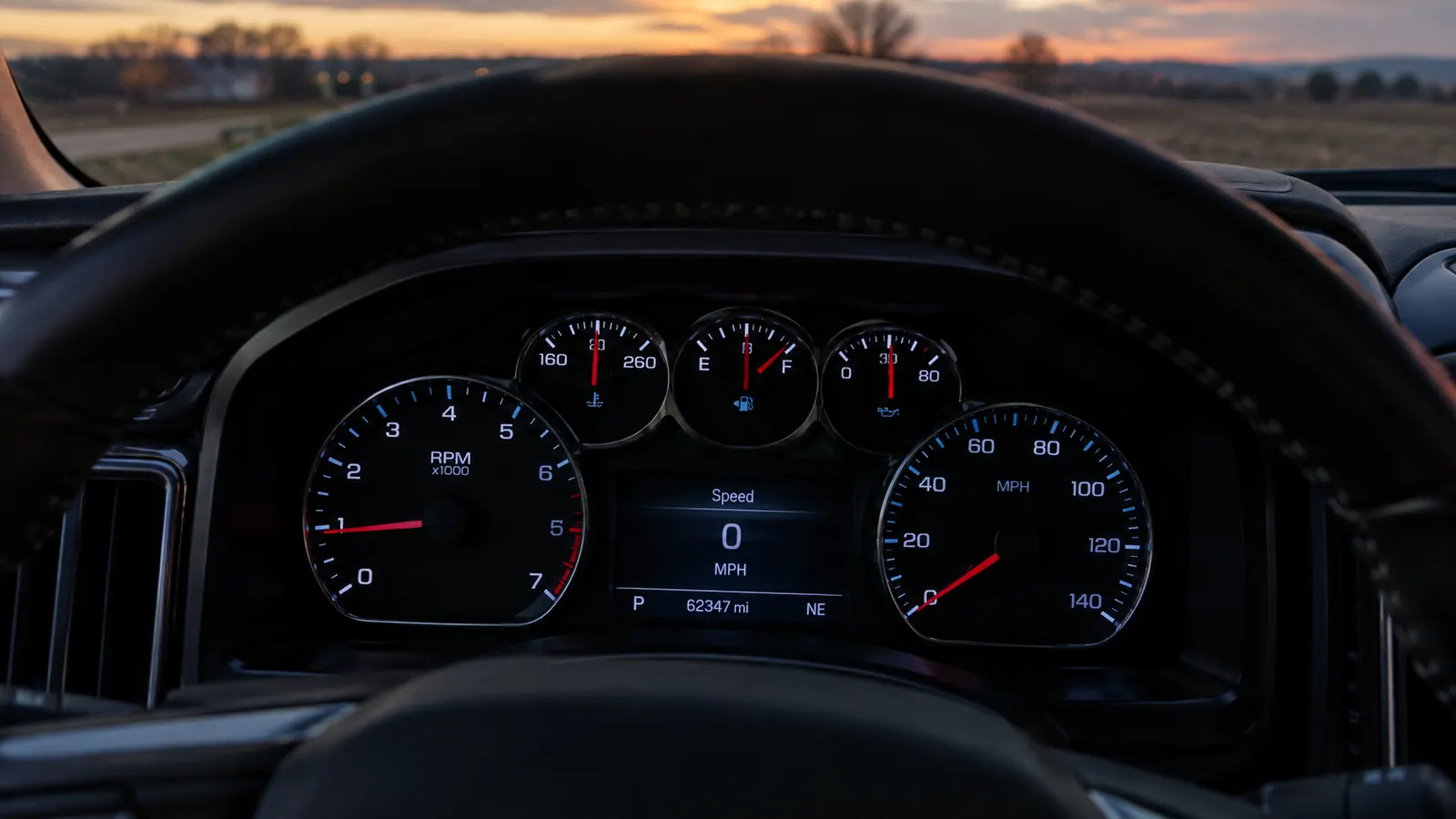
I am not going to tell you this scanner does everything, because it does not. The ANCEL AD310 only reads engine codes. It will not read transmission codes, ABS codes, or airbag codes. I found that limit the hard way in August. My brother-in-law's SUV had the traction control light on, and he was convinced it was a wheel speed sensor because the brakes felt normal. I plugged in the ANCEL AD310, and it told me there were no engine codes stored. That was all it could tell me. The ABS module has its own computer, and this scanner does not talk to it. He ended up taking the SUV to a shop that charged him a diagnostic fee to pull the ABS code. The scanner could not have saved him that trip, and it is honest to say so.
It also does not show live data, which means you cannot watch the coolant temperature climb in real time or see the oxygen sensor voltage swing. I borrowed a fancier scanner once to watch the oxygen sensor voltage on a friend's car, and seeing the waveform in real time told me in five minutes what a week of guessing would not have. I have a neighbor who tracks every reading on a spreadsheet, and that is a fine hobby. I just do not need it for a check engine light. The ANCEL AD310 cannot do live data, and I do not want you to buy it thinking it can. For a serious diagnostic session, live data is genuinely useful. For checking why the check engine light is on, it is not something I have missed very often.
The screen is not backlit, which is the one thing I would change if I could. In bright daylight it is perfectly readable. At night, under a work light, you will be tilting it to catch the light. The worst time was the first time I used it after dark, when I spent a full minute trying to find an angle that showed the code before I gave up and aimed a flashlight at it. A backlit screen is a common feature on scanners that cost more, and I would happily trade a little battery life for it. It has never stopped me from getting a code, but I have muttered about it more than once.
What I Liked
- Reads and clears engine codes in under a minute on any 1996 or newer vehicle
- Shows the code and a plain-English description on the same screen
- No app, no Bluetooth, no firmware updates, and no learning curve
- Simple buttons that work fine with greasy fingers
- Survived a hard fall onto concrete and a full Georgia summer
Where It Falls Short
- Engine codes only. No transmission, ABS, or airbag diagnostics
- No live data, so you cannot watch sensor readings in real time
- Screen is not backlit, which makes after-dark use a chore
- Short cable can be awkward when the diagnostic port is tucked up under the dash
Who This Is For
The ANCEL AD310 is for the person who changes their own oil, does their own brakes, and wants to know what the check engine light means before they decide whether to fix it themselves or call a shop. It is for the person who is tired of paying a diagnostic fee for what is often a loose gas cap or a bad oxygen sensor. It is for the neighbor who knocks on my door because he knows I have a code reader, and for anyone who wants the same independence without asking a favor. I have a buddy who paid a shop to diagnose a check engine light on his truck, and the fix was a gas cap. He still talks about that. The ANCEL AD310 would have told him the same thing in the driveway. If that sounds like you, this scanner will save you money in the first month. The only thing it asks in return is that you learn to read the code it gives you, and that is a skill worth having.
Who Should Skip It
Skip the ANCEL AD310 if you need to diagnose transmission, ABS, or airbag codes, or if you want to watch live sensor data while you work. Skip it if you want a scanner that talks to your phone and keeps a history of every code you have ever pulled. If you are the kind of person who wants a graph of your fuel trims on your phone, this scanner will frustrate you. This is a simple tool for a simple job, and it does that job well. If your needs are bigger than the check engine light, buy a more capable scanner and expect to pay for it. If all you want is to know why the light is on before you decide what to do next, this is the tool I would buy again.
The Code Reader That Earned Its Spot in My Toolbox
After months of driveway use, the ANCEL AD310 is still the first thing I grab when a light comes on. If you do your own work, this is the cheapest insurance you will ever buy.
Amazon Check Today's Price on Amazon →