
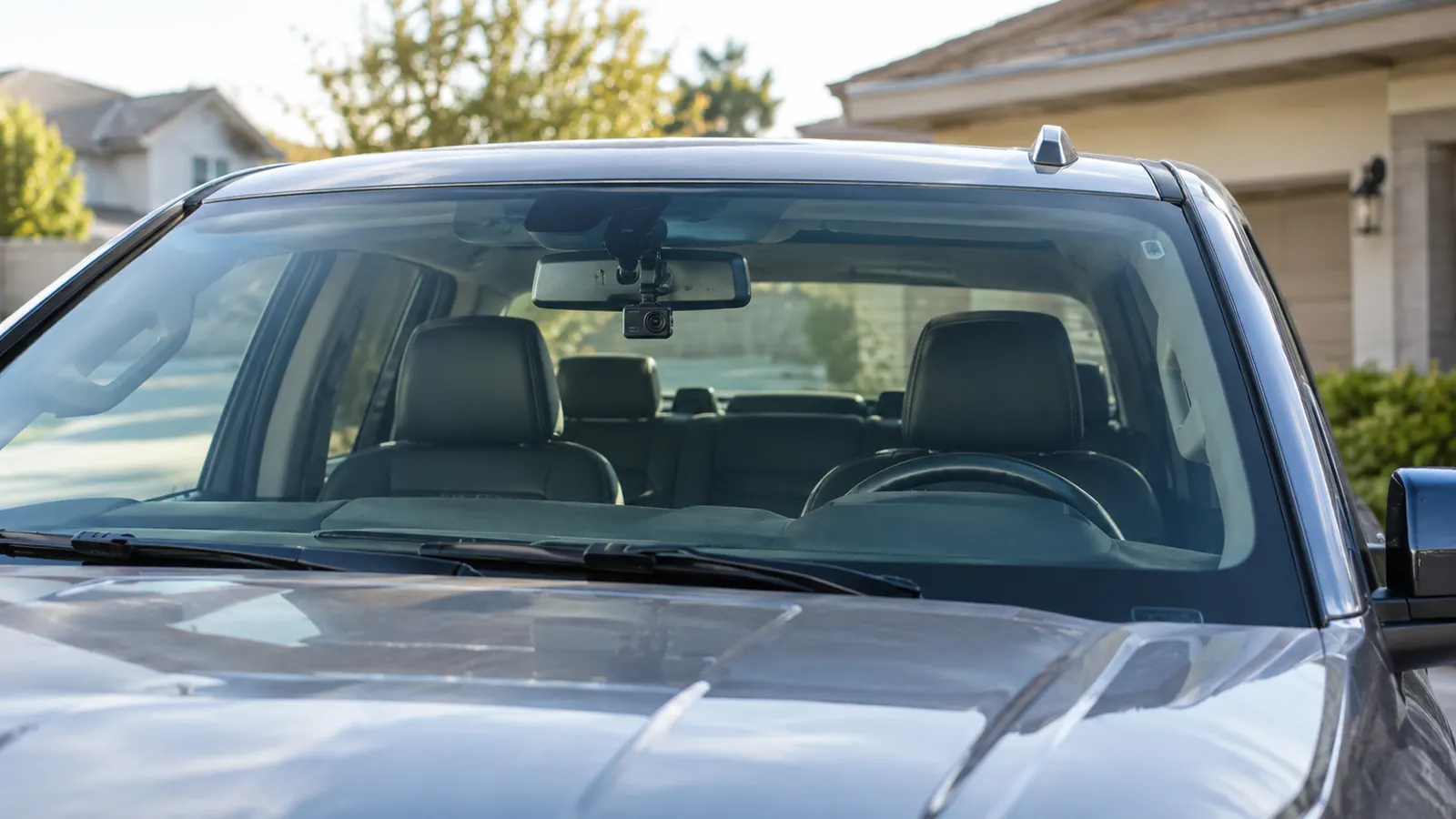
I didn't buy the REDTIGER F7NP because I wanted a dash cam. I bought it because a deer jumped out on Highway 411 last fall and I wanted a record of what actually happens on the road. I've had the F7NP mounted in my 2012 F-150 for six months now, and I've had time to form opinions. This is the honest long-term review I wish I'd read before I ordered it.
The truck has 187,000 miles on it and plenty of dings from shopping carts and gravel. I do my own brakes, oil, and small repairs in the driveway, so I treat a dash cam the same way I treat a wheel bearing: it's a piece of equipment that earns its keep. The REDTIGER F7NP has been on the windshield for about six months, through a Georgia summer that hit triple digits and a stretch of rainy weeks. Here's where it stands.
The Quick Verdict
A reliable front-and-rear dash cam that records clear daytime footage and holds up in the heat. The app is clunky and the rear camera struggles at night, but the core job gets done.
Amazon Check Today's Price →The REDTIGER F7NP I've had on my truck for six months
If you want a no-frills front-and-rear camera that just records, this one does that. Check it on Amazon and see the current price.
Amazon Check Today's Price on Amazon →How I've Used It
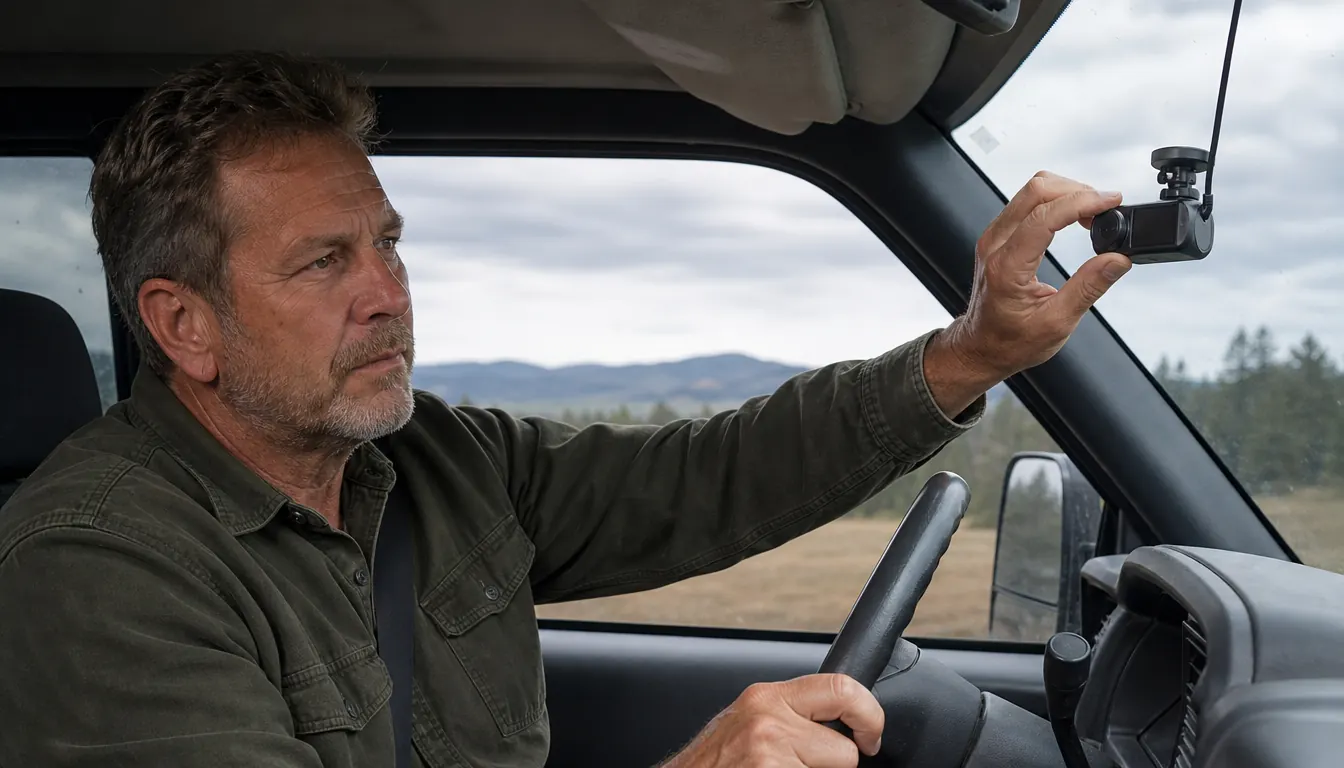
I ran the front camera up by the mirror and the rear camera down the headliner to the back window. It took about twenty minutes with a trim tool and some zip ties. The included card went in, I set the date and time, and I've basically left it alone. That's the whole setup. The F7NP lives on the windshield of my F-150, and the rear camera watches the bed and the road behind.
I used it every day, including a four-hour round trip to Atlanta and a week of short hops around Dalton. It recorded through rain, fog, and a full day of summer sun. I did not mess with the settings after the first week. I wanted to see if it could be set-and-forget, and for the most part it is. I've also used it as a witness when a neighbor backed into my truck in the Home Depot lot. The rear camera caught the closest part, and the front camera got the plate of the car that pulled away just fast enough. I sent the clip to my insurance company, and they settled it without a fight. That alone paid for the camera.
The app is where I spent the most time early on. You connect to the camera's Wi-Fi to pull clips. It works, but the connection drops if you move your phone too far from the camera. The app layout is dated. Once I figured out the sequence, I stopped fussing with it. I pull the card and plug it into my laptop more often than I use the app.
I also learned the hard way that the F7NP doesn't like being powered from a completely dead battery. The supercapacitor means the camera stores no power, so if the truck battery is too low to do the boot sequence, the camera just resets. After I hardwired it to a fuse that's only on with the ignition, that problem went away.
Video Quality You Can Actually Use
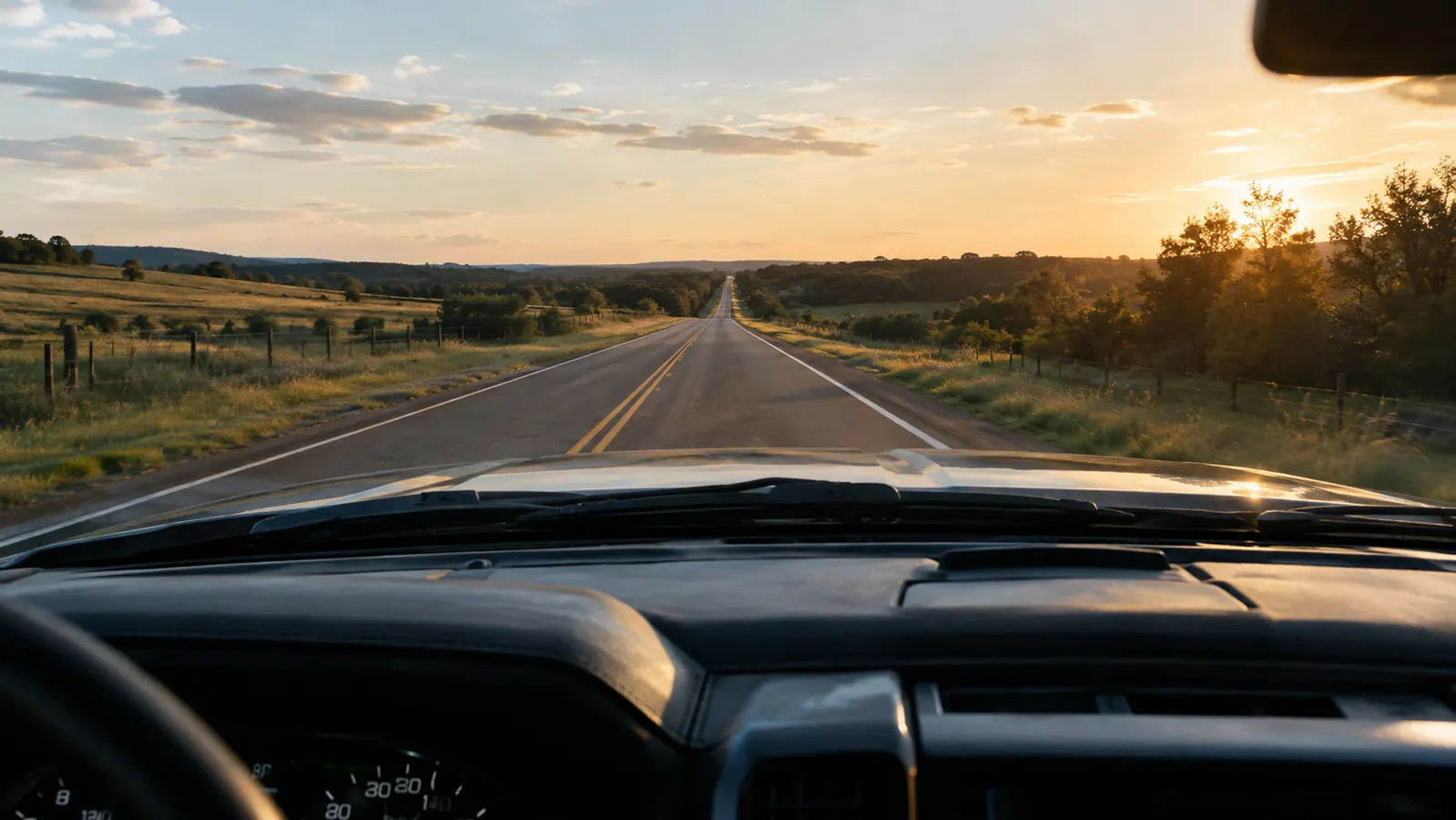
Daytime video is sharp. I can read a license plate from a car stopped a few feet ahead, and moving traffic at highway speed is clear enough to pick out details. The front camera's 4K resolution shows up on a computer screen better than on the tiny camera display. If you're trying to identify a truck after a sideswipe, the front camera gives you a real chance.
Night is better than I expected for the price of this unit. The STARVIS 2 sensor does a decent job lifting shadows in low light. Streetlights render as crunchy highlights sometimes, but I can still make out a pedestrian crossing the road and a car turning left. It's not perfect, but it's usable.
The rear camera is the weaker link. It's 1080p, and it's fine for following traffic, but don't expect to read a plate at night back there. In daylight it's acceptable. In a parking lot after dark, it's more of a 'something was back there' than a 'here's the plate.' That's honest.
What really matters is that the camera consistently saves files. I've pulled clips from a thunderstorm and from a gravel road full of potholes. The files are numbered sequentially, which sounds boring but counts when you're trying to find the exact minute something happened. The time stamp has stayed accurate, which is more than I can say for some cheap electronics I've owned. One rainy night on I-75, a semi changed lanes and forced an SUV onto the shoulder. The F7NP caught the sequence clearly enough that I could describe it to the highway patrol officer who showed up. That's when I stopped thinking of this as a toy and started treating it as a tool.
Parking mode is where a lot of dash cams fall apart. The F7NP's parking mode, when hardwired, records only when the sensor detects a bump or motion, and it saves those clips to a separate folder. I tested it by tapping the window with a key and found the clip ready the next morning. The sensitivity is adjustable, which is nice because a gravel road will otherwise fill the card with false triggers.
The Mount and the Build
The suction mount that comes with the F7NP is the part that surprised me the most. It's a quick-release metal arm that slides onto a base, and the base sticks to the windshield via a rubber suction pad. That pad has held through a hot Georgia summer. I've had a lot of mounts let go when the windshield heats up, but this one hasn't dropped. The arm itself is solid, no wobble over bumps. The camera body is plastic but has a dense feel. The buttons are clicky enough, which suits me because I'd rather press a physical button than scroll a menu.
The rear camera cable is long enough for an extended cab. I tucked it under the headliner with a trim tool, and it hasn't come loose. The connectors are sturdy. One thing to know: the camera lens on the rear unit has a bit of adjustment, but you have to set it before you tuck everything away. Once it's under the trim, it's a pain to reach.
The lens on the front camera rotates a few degrees, which is enough to level it on a sloped windshield. I had to fiddle with the angle once on a gravel road I use daily. It was simple, just a pivot, but you need a small screwdriver or a coin if you don't have one. The package doesn't include a tool, but a house key works.
What Wears on You Over Time
Here's what nobody tells you about running a dash cam for months. The recording light on the front camera is bright. At night it reflects off the windshield. It's not a deal breaker, but you'll notice it. The supercapacitor that replaces the battery is the right choice for hot climates, but it means the camera shuts off almost immediately when the truck dies. Parking mode needs a hardwire kit, and the kit is sold separately. I tried the USB cable in the cigarette lighter first and it drained my battery twice before I hardwired it. Learn from me: hardwire it from the start.
The included card gets you started, but I swapped it for a better one after the first month. The free card is fine for a few days, but for a daily driver you want something you trust. That's a cheap upgrade and a lot of peace of mind.
The app is the other thing that wears. The Wi-Fi connection is on the slow side, and the camera's own display is low resolution. But I've stopped caring about that because I rarely touch it. The camera records, I pull clips, end of story.
Sticky interior heat is a real test for any camera. The F7NP doesn't have an external temperature warning, but I've checked it after a long summer day and it's warm to the touch, not hot. The plastic doesn't warp, and the mount doesn't soften. Some budget cameras get sluggish when they overheat; this one recorded a 45-minute drive in 98-degree shade without a hiccup.
What I'd Change and What Stays Put
If I could redesign the REDTIGER F7NP, I'd start with the app. The camera's job is to record, and it does that well. But the software feels like it was written by people who read about apps in a book. The Wi-Fi drop is annoying, and the playback screen is fiddly. Once I learned the workaround, I stopped caring, but a first-time user might get frustrated.
I'd also add a few more degrees of tilt on the front camera. In my truck, the windshield sits at a shallow angle, so the camera points slightly high. I adjusted it with a bit of foam, which isn't exactly the cleanest solution.
What stays? The mount. The mount is the best part of this package. It's held at 100 degrees Fahrenheit with the sun beaming on it, and it hasn't moved. In a world of cheap plastic mounts, REDTIGER got this right. And the video quality in daylight is good enough for insurance claims and license plate reads.
The rear camera is fine for a free hand. I keep thinking about upgrading to a camera with a 2K or 4K rear sensor, but for my use, the 1080p rear is enough to show that someone backed into me, even if I can't always see the plate.
I also wish the lens cap was a little easier to grip. It's a small plastic ring that spins off, and my fingers are the size of lug nuts. It's a minor thing, but it's the kind of detail that shows whether a company thought about the person holding the camera.
What I Liked
- Front video is sharp, plates readable in daylight
- Rear camera included, decent quality
- Mount holds in extreme heat
- Set-and-forget reliability
- Supercapacitor better than battery for hot climates
- Physical buttons easy to use
Where It Falls Short
- App could be better, Wi-Fi connection drops
- Rear camera weak at night
- Bright recording LED bothers at night
- Hardwire kit extra for parking mode
- Included card should be replaced
I've had a lot of mounts let go when the windshield heats up, but this one hasn't dropped.
Who This Is For
This dash cam is for the driver who wants a reliable front-and-rear camera without spending a whole weekend setting it up. If you commute on roads where people ride your bumper, or you park on a street and want a record of the car next to you, the F7NP does the job. It's also for someone who lives in a hot climate. The supercapacitor is the right call, and the mount holds. The included card gets you started, the cables are long enough, and you can install it with simple hand tools. This is the kind of gear I'd recommend to a neighbor who asks, 'What dash cam should I get?' without any interest in fiddling with a phone app.
If you're the kind of person who reads the manual and sets your parking brake, this is a straightforward install. There's no fancy adhesive tape, just a suction pad and a cable. The hardest part is deciding where to run the rear cable. The provided length is generous, so you're unlikely to need an extension.
Who Should Skip It
Skip it if you want parking mode without wiring extra stuff. The F7NP needs a hardwire kit for that, and that's not for everyone. Skip it if you expect the rear camera to match the front. It won't at night. And skip it if you need a polished app. The F7NP's app works but feels like it's from an earlier generation. If you want a dash cam that you can set and never think about, this is that. If you want a connected camera with alerts and cloud uploads and a slick interface, you're looking at a different product.
And if you're the type who wants to live-view the camera from your phone on a road trip, this won't be it. The F7NP is a record, not a live-stream. For that, you're paying a lot more and usually a subscription fee.
The F7NP is the front-and-rear camera I still have mounted
If you want a no-frills dash cam that records good daytime video and doesn't fall off in the heat, this is worth a look. Check the current price on Amazon.
Amazon Check Today's Price on Amazon →